I bought my first "nice" dog bed in 2016, a plush thing with a zipper cover that looked like furniture. Duke had it open in eleven days, and I spent a week vacuuming foam out of a rug. That was tuition, and like most tuition it bought me an education. Since then I have kept a notebook of chew timelines, foam sink depths, and zipper failures, and the biggest lesson in it is that shopping for dog beds for labradors is really four different shopping problems wearing one coat. This comparison is about four products that look interchangeable in a search results page and are not interchangeable at all.
Related: How To Size A Dog Bed For A Labrador
The short answer: if you own one lab and one crate, a crate pad plus a waterproof liner is the pair that survives the first two years. The heated pad is a specialist tool for a stiff senior. The donut bed is for a dog that actually curls up, which is not most labradors.
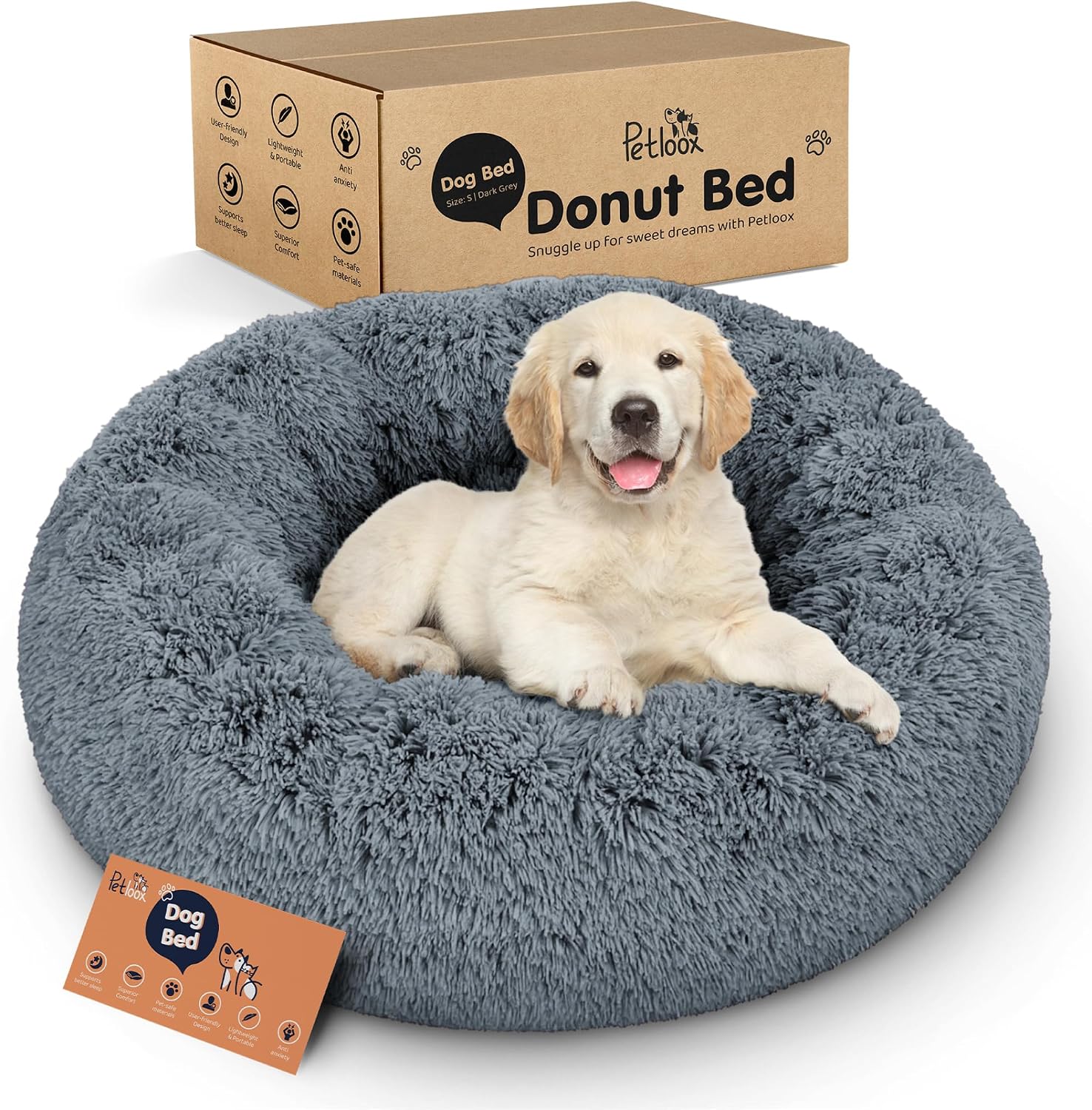
Calming Donut Dog Bed for Small Dogs, Round Dog Bed for Medium & Large Dogs
Gives a genuine curl-up sleeper the nest shape it wants, and the calming round design suits small dogs and nervous dogs well
A 75 pound lab sprawls like a starfish, so the shape wastes its best feature; no orthopedic support for hips; a chewer will find the seams
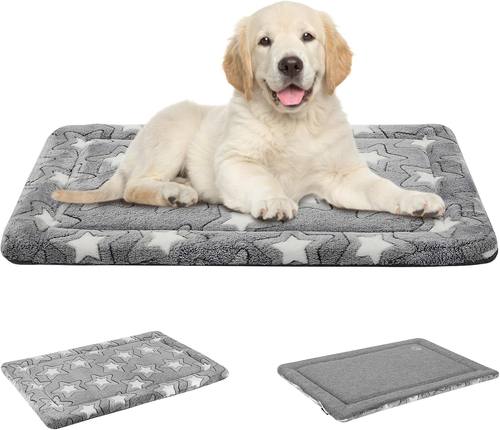
EMPSIGN Dog Crate Pad for 30"x20" Dog Crate, Star Pattern/Grey
The right sacrificial layer for the shark phase: crate-sized, easy to pull out and wash, and the star pattern hides a month of puppy mess
30"x20" is a small crate size, so it will not fit a 36 or 42 inch lab crate; thin, so it cushions nothing on a hard floor
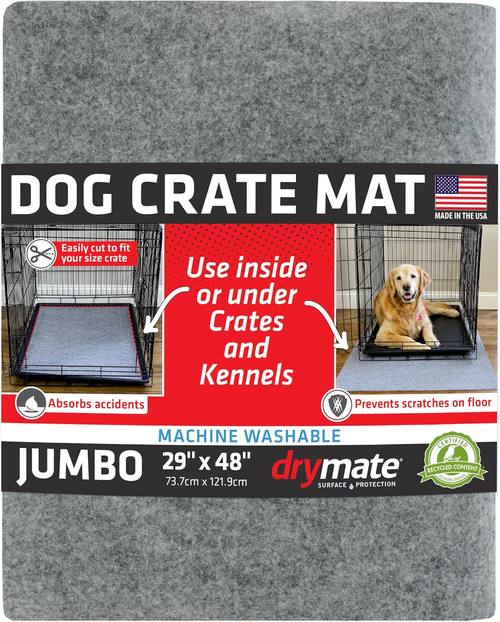
Drymate Dog Crate Mat Liner, Absorbs Urine, Waterproof, Non-Slip, Washable Puppy Pee Pad for Kennel Training, Thin Cut to Fit Design (USA Made) (LGrey)(29"x48")
Absorbs urine, waterproof backing, non-slip, washable, and thin enough to cut to fit; it protects the crate tray and the floor instead of pretending to be a mattress
It is not a bed. There is no cushioning, and your lab still needs a pad or a bed on top of it
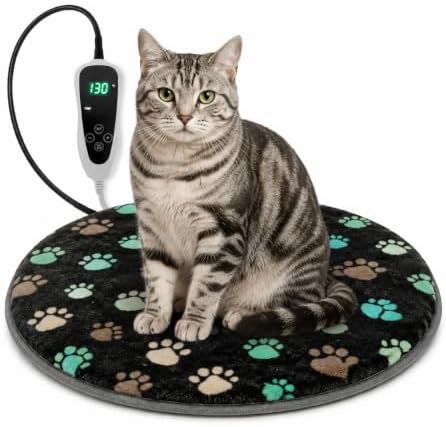
GOLOPET Large Dog Heating Pad 36x24 in with Normally Open Function
A 36x24 surface covers real estate on a lab crate or a floor spot, and gentle warmth is the one thing that helps a stiff senior on a cold Ohio morning
Warmth is not joint support; it does not replace dense orthopedic foam; and any heated product with a power lead needs supervision around a chewer
Prices and availability were captured from Amazon Creators API and may change.
How I judge bedding for a lab
I do not recommend a bed I have not lived with, which is why this piece is about fit and role rather than a durability verdict I have not earned on all four. What I can do is apply the same filters I use in the notebook.
Can a determined 75 pound lab destroy this? If the answer is yes, it fails as a primary bed and it only works as a stage in the plan. Duke has taught me that the word "indestructible" on a product page is a marketing department talking, not a materials engineer.
Is the dog under three? Then you are in the shark phase, and everything changes. Puppies chew because chewing is what puppies do. Your job is not to find a bed that survives a puppy, it is to make the bed boring and the chew toy interesting, and to buy something cheap enough that losing it does not hurt.
Is the size honest? "Large" is a lie more often than it is a measurement. I measure nose to tail and add about twelve inches. Penny is 55 pounds and still takes a 36 inch footprint because she likes to stretch.
Does the cover survive the washing machine? Zippers die first. I have killed fourteen of them and I stopped being surprised around number six.
Does it make a claim I can test? I will test the claim, not trust it.
The crate pad: the cheap layer you should own first
The EMPSIGN crate pad is a 30"x20" pad designed for a crate that size, with a star pattern and grey finish. Read that measurement honestly and you learn the most important thing about it: a 30 inch crate is a puppy crate, or a crate for a small dog. A 75 pound lab fits in a 36 to 42 inch crate. So this is not a bed for Duke.
That is not a knock. It is a role. This is the pad I would hand a family bringing home an eight week old lab, because it costs almost nothing in the grand scheme of what a lab will destroy before age three, it drops into a puppy crate, and when the shark phase claims it you are out a small amount instead of a mortgage payment. The pattern also hides the first month of accidents better than a cream colored plush cover will.
What it is not: a cushion. It is thin, so on a hard floor your dog is basically lying on a mat. For a puppy that is fine. For an eleven year old rescue with hip dysplasia, that is not a bed, that is a floor with extra steps.
The liner: the piece nobody buys first, and everybody needs
The Drymate crate mat liner is the most underrated product in this group. It absorbs urine, it has a waterproof backing, it is non-slip, it is washable, it is made in the USA, and it is deliberately thin so you can cut it to fit. It measures 29"x48", which means it will cover the tray of a real lab-sized crate with room to trim.
Think about what that solves. A crate tray is a plastic pan. A puppy pees on it, the pee runs to the corner, and now you are pulling the whole crate apart at 5 a.m. A senior dog has an accident while she sleeps because she cannot hold it the way she used to, which is exactly what happened with Penny in her first winter here. A liner under the pad turns a disaster into a load of laundry.
Here is the trade-off, and it is not a small one: a liner is not a bed. It has no loft, no foam, no joint support. If you buy only this, your lab is lying on a waterproof sheet. Buy it as the base layer of a system, with a pad or a real bed on top, and it earns its place every single week. For a senior lab with hip dysplasia or a puppy in kennel training, it is the first thing I would add.
The heated pad: specialist gear for the senior lab
The GOLOPET heated pad is 36x24 inches, which is real estate. On a lab crate floor, or on the spot where your old dog parks himself in the morning, that size actually covers the dog instead of one hip. The listing describes a normally open function, which is switch language rather than comfort language, so read the product description carefully and ask the seller if a specific behavior matters to you.
I am a trainer, not a vet, so I will tell you what I saw and stop there. Penny is eleven, she is a rescue, and she has hip dysplasia. Cold mornings in Ohio are hard on her. My vet, Dr. Alvarez, is the one who told me she sees more joint problems in labradors than any other breed she treats, and warmth is one of the cheap comforts that helps a stiff dog get moving.
What warmth does not do is support a joint. A heated mat is a comfort layer, not an orthopedic bed. If your lab is limping in the morning, the answer is dense foam and a conversation with your vet, not a warmer surface. And if your lab is a chewer, anything with a power lead needs you in the room. No exceptions, no clever cable routing that a determined two year old cannot defeat.
The donut bed: honest talk about a shape labs do not use
The Calming Donut Dog Bed is a round, nest style bed sold for small dogs and also listed for medium and large dogs. It is the shape people buy because it photographs well and because it looks like what a dog looks like in a cartoon.
Here is the problem. Labs sleep like starfish. A 75 pound lab does not curl into a ring, he stretches out flat with legs in four directions and takes up more floor than you planned for. A donut bed's entire value is the raised rim that a curled dog tucks its nose into. If your dog does not curl, you paid for a rim he will drape a leg over.
There are two cases where it works. The first is a small dog or a genuinely anxious dog who curls tight, which is what the product is designed for. The second is the lab who actually curls, and there are some, usually older females. For those dogs the nest shape does seem to settle them, and I will not argue with a dog who tells me where he wants to sleep.
What it will not do is support hips. There is no dense foam base in a donut, and for a senior lab with dysplasia, comfort and joint support beat cuteness every time. If your lab is under three, this is also a chew toy with a price tag. Plush, seams, and a determined jaw are a bad combination.
Cost per day, the only comparison that matters
I keep saying the cheap bed is the most expensive option, and people think I am being dramatic. I am doing arithmetic.
Take a bed that costs $60 and dies in four months. That is fifteen dollars a month, or about fifty cents a day, and you also paid in vacuuming, in a dog sleeping on a bare crate tray for a week while you shopped, and in the hour you spent reading reviews at midnight. Now take a bed that costs three times as much and lasts three years. That is a fraction of the daily cost, and you paid it once instead of four times.
That math is why I tell puppy owners to buy cheap and adults to buy well. Under three years old, you are renting bedding. The EMPSIGN pad and the Drymate liner are perfect rentals. Past three, with the chewing settled, the money belongs in dense foam. The heated pad sits outside that math entirely, because it solves a comfort problem rather than a durability one.
Foam is where the money goes, and it is the one spec most listings will not tell you. Density is measured in pounds per cubic foot. Cheap foam runs around 1.5 to 2, and it pancakes in months. I have cut beds open to check. If a listing will not tell you the density, that silence is the answer.
The buy order I would give a lab owner
Puppy under one year: the EMPSIGN pad in the puppy crate plus the Drymate liner underneath. Cheap, washable, replaceable. Do not spend real money until the chewing settles.
Adolescent lab, one to three years, still chewing: same pair, plus a crate the dog actually fits in. A 30"x20" pad in a 42 inch crate is a pad floating in a box, and your lab will push it into a corner and sleep on plastic.
Adult lab, chewing done: put the money into dense orthopedic foam at the size you measured, and keep the liner under it for accidents and muddy paws.
Senior lab with joint trouble: orthopedic foam first, liner underneath, and the heated pad on top as a comfort layer for cold mornings. That is the setup Penny runs, and it is the one where every piece is doing a different job.
Chewer of any age: no plush, no donut, no exposed leads. Ballistic fabric or nothing.
What I am testing next
I am four weeks into chew testing two "chew proof" covers for winter 2026, and I am tracking zippers again because that is where every failure starts. Duke is five, he is 75 pounds, and he still opens a seam when a cover uses thread instead of webbing at the corners. When I have a full chew timeline on those covers I will publish the notebook pages, not the marketing copy.
Until then, the honest summary of this group is that these are four tools for four different dogs. Buy the one that matches the dog in front of you, not the one that looks best in a photo, and measure your crate before you order anything.